

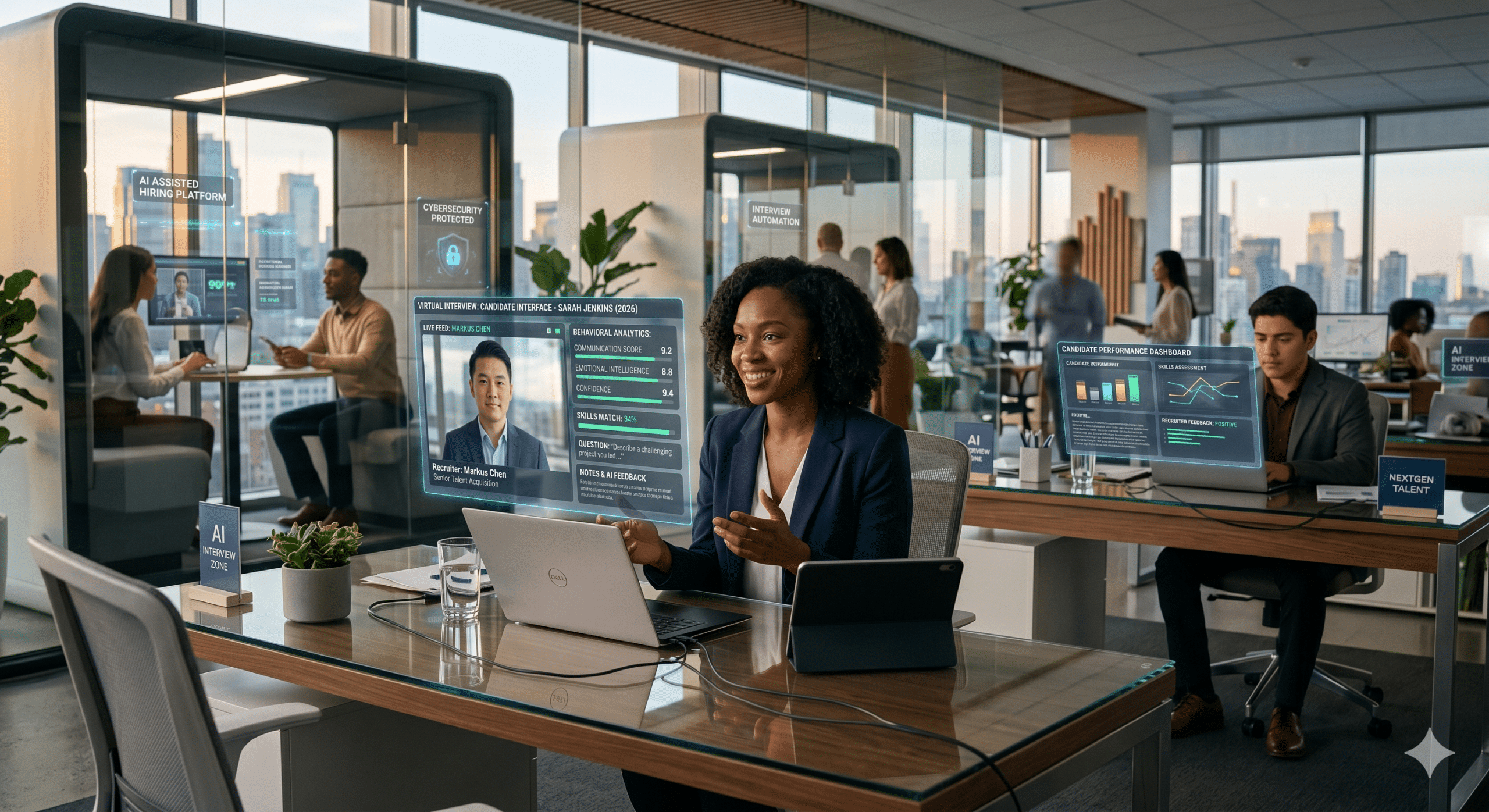
Interview experience tips have become more important than ever in today’s technology-driven hiring environment. In 2026, job interviews are no longer limited to traditional face-to-face conversations inside corporate meeting rooms. Modern recruitment now includes AI-powered assessments, virtual interviews, behavioral analytics, automated scheduling, digital onboarding previews, and remote hiring workflows.
Candidates are expected to adapt quickly to evolving interview formats while still presenting strong communication skills, professionalism, and technical knowledge. At the same time, employers are evaluating not only qualifications but also emotional intelligence, digital collaboration abilities, adaptability, and cultural alignment.
A strong interview experience can dramatically improve a candidate’s chances of receiving a job offer. Poor preparation, weak communication, or difficulty navigating modern interview technology can reduce hiring success even for highly qualified professionals.
This article explores the most effective interview experience tips for 2026, including how candidates can prepare for virtual interviews, use technology confidently, communicate effectively, and create memorable impressions during the hiring process.
Why Interview Experience Matters More in 2026
The hiring process has become increasingly competitive across industries such as:
- Artificial intelligence
- Cybersecurity
- Software engineering
- Data analytics
- Healthcare technology
- Marketing technology
- Cloud computing
Candidates now compete in global talent markets where remote opportunities allow employers to evaluate professionals from multiple countries and regions.
As hiring technology evolves, employers are placing greater emphasis on the overall interview experience. Recruiters and hiring managers want candidates who can:
- Communicate clearly
- Adapt to digital environments
- Collaborate remotely
- Demonstrate confidence
- Solve problems efficiently
- Show professionalism under pressure
Strong interview performance helps candidates stand out even when competing against applicants with similar qualifications.
Understanding Modern Interview Formats
Candidates preparing for interviews in 2026 must understand that hiring processes now include multiple digital and AI-powered formats.
Modern interviews may involve:
- Live virtual interviews
- AI screening assessments
- Video response interviews
- Panel interviews
- Behavioral assessments
- Technical skill evaluations
- Collaborative simulations
- Remote work scenario testing
Each format requires different preparation strategies.
Understanding the structure of the interview helps candidates reduce anxiety and improve confidence before meeting recruiters.
Preparing for Virtual Interviews
Virtual interviews are now standard in many industries.
Candidates should treat virtual interviews with the same professionalism as in-person meetings.
Key preparation steps include:
Testing Technology in Advance
Candidates should verify:
- Internet stability
- Camera quality
- Audio functionality
- Lighting conditions
- Video platform access
Technical issues create distractions and may affect first impressions.
Creating a Professional Environment
A clean and quiet background improves professionalism.
Candidates should avoid:
- Excessive background noise
- Poor lighting
- Distracting environments
- Unstable camera positioning
A professional virtual setup improves confidence and communication quality.
Dressing Professionally
Even remote interviews require professional presentation.
Business attire should align with the company culture and role expectations.
Professional appearance demonstrates seriousness and preparation.
Researching the Company Before the Interview
One of the most important interview experience tips is thorough company research.
Candidates should understand:
- Company mission
- Products or services
- Industry position
- Leadership team
- Workplace culture
- Recent news and achievements
- Competitor landscape
Modern recruiters expect candidates to demonstrate genuine interest and preparation.
Research also helps candidates ask stronger questions during interviews.
Employers often evaluate curiosity and strategic thinking based on candidate questions.
How AI Is Changing Interview Experiences
Modern hiring platforms influenced by evolving Recruitment and Interview Technology Trends now assist with candidate screening, behavioral analysis, interview scheduling, and AI-driven hiring automation.
AI-powered hiring systems now assist with:
- Candidate screening
- Behavioral analysis
- Interview scheduling
- Communication automation
- Skill assessments
- Predictive hiring analytics
Some organizations use AI video analysis tools that evaluate:
- Communication patterns
- Facial expressions
- Speech clarity
- Response timing
While candidates should remain natural, understanding these technologies can help reduce uncertainty.
AI-driven recruitment does not replace human decision-making completely, but it influences how hiring processes are structured.
Communication Skills That Improve Interview Performance
Communication remains one of the most important hiring factors.
Strong communication includes:
- Clear speaking
- Active listening
- Professional tone
- Structured responses
- Confidence without arrogance
Candidates should avoid:
- Overly long answers
- Interrupting interviewers
- Generic responses
- Excessive filler words
One effective strategy is using structured answer frameworks such as STAR:
- Situation
- Task
- Action
- Result
This method helps candidates provide concise and organized responses.
Behavioral Interview Preparation
Behavioral interviews are increasingly common in modern hiring.
Recruiters often ask candidates to describe:
- Leadership experiences
- Problem-solving situations
- Conflict resolution examples
- Team collaboration
- Project challenges
- Communication difficulties
Candidates should prepare real examples that demonstrate measurable outcomes.
Strong behavioral responses focus on:
- Specific actions
- Decision-making processes
- Results achieved
- Lessons learned
Employers value authenticity and reflection rather than overly rehearsed answers.
Technical Interview Tips for Digital Roles
Technical interviews remain essential for many industries.
Candidates applying for roles in technology, engineering, analytics, or cybersecurity should prepare for:
- Coding assessments
- Technical case studies
- Live problem-solving exercises
- System design discussions
- Workflow simulations
Preparation strategies include:
Practicing Real-World Scenarios
Candidates should focus on practical applications rather than memorizing theoretical concepts.
Explaining Thought Processes
Interviewers often evaluate problem-solving approaches more than final answers.
Staying Calm Under Pressure
Technical interviews can feel intense, but structured thinking improves performance significantly.
Strong communication during technical assessments often differentiates candidates with similar skill levels.
Candidate Experience and Emotional Intelligence
Emotional intelligence has become increasingly valuable in hiring decisions.
Employers look for candidates who demonstrate:
- Self-awareness
- Adaptability
- Empathy
- Collaboration
- Professionalism
- Conflict management
Candidates should remain respectful and composed throughout the interview process.
Positive emotional intelligence improves team compatibility and leadership potential.
Asking Smart Questions During Interviews
Candidates who ask thoughtful questions often leave stronger impressions.
Effective questions may focus on:
- Team structure
- Company growth
- Leadership style
- Career development opportunities
- Workplace culture
- Technology innovation
- Performance expectations
Avoid asking only about salary or vacation during early interview stages.
Strategic questions demonstrate long-term interest and professional maturity.
The Importance of Candidate Personal Branding
Personal branding now plays a major role in interview success.
Recruiters often review:
- LinkedIn profiles
- Online portfolios
- Professional websites
- Social media activity
- Industry contributions
Candidates should ensure their online presence aligns with their professional goals.
Strong personal branding supports credibility and reinforces interview impressions.
Candidates working in creative or technical industries may benefit from showcasing:
- Projects
- Certifications
- Case studies
- Thought leadership content
- Portfolio samples
Common Interview Mistakes Candidates Should Avoid
Even qualified professionals make avoidable interview mistakes.
Lack of Preparation
Candidates who fail to research the company often appear disengaged.
Weak Technology Setup
Poor internet or audio quality disrupts virtual interviews.
Generic Responses
Recruiters prefer personalized and specific answers.
Speaking Negatively About Previous Employers
Professionalism is essential even when discussing difficult experiences.
Failing to Follow Up
Sending a professional thank-you email after interviews demonstrates appreciation and continued interest.
Following Up After the Interview
Post-interview communication is often overlooked.
Candidates should send a professional thank-you message within 24 hours after the interview.
Strong follow-up emails should:
- Express appreciation
- Reinforce interest
- Reference specific discussion points
- Maintain professionalism
Follow-up communication helps candidates remain memorable during hiring decisions.
The Future of Interview Experiences
Interview experiences will continue evolving as recruitment technology advances.
Several trends are expected to shape future hiring processes:
AI-Powered Personalized Interviews
Hiring systems will adapt questions dynamically based on candidate responses.
Virtual Reality Recruitment
Immersive interview environments may simulate workplace scenarios.
Skills-Based Hiring Assessments
Employers will focus more on practical demonstrations rather than traditional resumes.
Behavioral Analytics Integration
Recruiters will use deeper analytics to evaluate communication and collaboration patterns.
Global Remote Hiring Expansion
Companies will continue hiring talent across international markets.
Candidates who adapt to these changes early will gain stronger competitive advantages.
Building Confidence Before Interviews
Confidence is essential for interview success.
Candidates can improve confidence by:
- Practicing mock interviews
- Reviewing accomplishments
- Preparing structured responses
- Testing technology in advance
- Improving body language
- Managing stress effectively
Confidence should feel authentic rather than forced.
Preparation remains the best way to reduce anxiety and improve interview performance.
Final Thoughts
Interview experience tips are becoming increasingly important in modern hiring environments shaped by AI, automation, virtual recruitment, and global talent competition. Candidates who prepare strategically, communicate clearly, and adapt to digital hiring processes significantly improve their chances of success.
The future of interviews is not only about qualifications. Employers now evaluate communication skills, emotional intelligence, adaptability, professionalism, and digital collaboration abilities throughout the hiring process.
Candidates who combine technical preparation with strong communication and personalized engagement will stand out in competitive job markets.
As recruitment technology continues evolving, professionals who master modern interview experiences will position themselves for long-term career success in the rapidly changing workforce of 2026.