

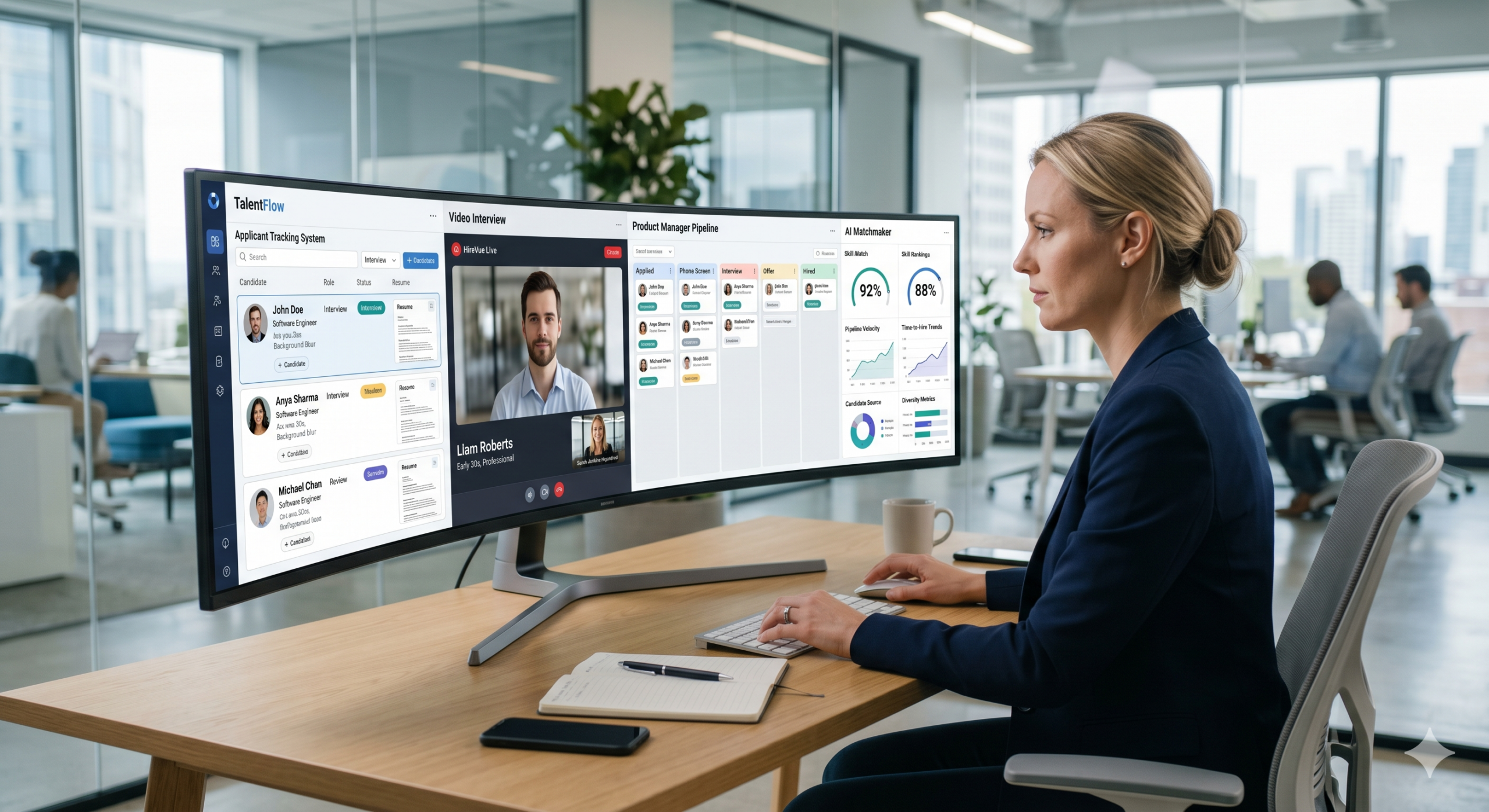
Choosing the best remote hiring platforms has become a critical decision for companies building distributed teams. In 2026, organizations are no longer limited by geography—they rely on modern hiring technology to access global talent, streamline recruitment, and make smarter hiring decisions.
This guide explores the best remote hiring platforms, their features, benefits, and how to choose the right solution for your business. You’ll also learn expert strategies to improve hiring efficiency and build high-performing remote teams.
What Are Remote Hiring Platforms?
Remote hiring platforms are digital tools that enable companies to recruit, evaluate, and hire candidates from anywhere in the world. These platforms integrate multiple hiring functions into a single system.
Typical capabilities include:
- Job posting and candidate sourcing
- Resume screening and AI matching
- Video interviews and assessments
- Collaboration and feedback tools
- Compliance and payroll integration
The most effective platforms simplify the hiring process while improving accuracy and speed.
Why Remote Hiring Platforms Matter in 2026
The global workforce is evolving rapidly, and businesses must adapt to remain competitive.
1. Access to Global Talent
Modern platforms allow companies to hire skilled professionals worldwide instead of relying on local talent pools.
2. Faster Recruitment Cycles
Automation reduces manual tasks, enabling recruiters to screen and shortlist candidates quickly.
3. Cost Reduction
Organizations save on office space, relocation, and travel expenses.
4. Improved Hiring Decisions
Data-driven insights help identify candidates who are more likely to succeed.
5. Scalability
Companies can handle large volumes of applications without sacrificing quality.
Key Features to Look For
When evaluating remote hiring tools, focus on features that support efficiency and accuracy.
AI-Powered Candidate Matching
Machine learning algorithms analyze resumes and match candidates to job requirements.
Video Interviewing Tools
Platforms offer live and recorded interview options, allowing flexible evaluation.
Applicant Tracking System (ATS)
Centralizes candidate data and streamlines hiring workflows.
Collaboration Features
Hiring teams can share feedback and evaluate candidates together.
Compliance and Payroll Integration
Supports global hiring by managing legal and financial requirements.
Analytics and Reporting
Provides insights into hiring performance and recruitment trends.
Top 10 Remote Hiring Platforms in 2026
There are many tools available today, but choosing the right one depends on your hiring goals and workflow. For a broader comparison of modern solutions and use cases, explore Remote Hiring Tools for 2026, which highlights how different platforms support sourcing, screening, and automation.
Here are some of the leading solutions used by companies worldwide:
1. Deel
A global hiring platform offering payroll, compliance, and contractor management.
2. Remote
An end-to-end solution for hiring, onboarding, and paying international employees.
3. Workable
A user-friendly platform with AI sourcing and strong applicant tracking features.
4. Greenhouse
Advanced recruiting software with structured hiring workflows and analytics.
5. Lever
Combines ATS and CRM functionality for better candidate relationship management.
6. BambooHR
A comprehensive HR platform with onboarding and hiring tools.
7. HireVue
Specializes in AI-powered video interviews and candidate assessments.
8. Spark Hire
Offers one-way and live video interviews with an intuitive interface.
9. Recruitee
A collaborative hiring platform with customizable workflows.
10. Oyster
Focuses on global employment, compliance, and remote team management.
How to Choose the Right Platform
Selecting the right solution depends on your organization’s goals and hiring needs.
Define Your Hiring Objectives
Identify whether you need:
- High-volume recruitment
- Global expansion
- Specialized talent acquisition
Evaluate Core Features
Ensure the platform includes:
- AI screening
- Interview tools
- Integration capabilities
Consider Scalability
Choose a platform that can grow with your organization.
Check Integration Compatibility
Make sure it works with your existing HR systems.
Review Pricing and Value
Compare costs based on features and long-term benefits.
Benefits of Using Remote Hiring Platforms
Increased Efficiency
Automation reduces repetitive tasks and improves recruiter productivity.
Better Candidate Experience
Streamlined processes create a smoother hiring journey.
Data-Driven Decisions
Analytics provide insights that improve hiring outcomes.
Reduced Bias
Structured workflows help ensure fair evaluation.
Global Reach
Companies can access talent from different regions easily.
Challenges to Consider
Learning Curve
Some platforms require training to use effectively.
Cost Considerations
Advanced tools may come with higher subscription fees.
Data Privacy
Handling candidate information requires compliance with regulations.
Integration Issues
Compatibility with existing systems can sometimes be a challenge.
Best Practices for Using Remote Hiring Platforms
Standardize Your Hiring Process
Create consistent workflows for evaluating candidates.
Train Your Recruitment Team
Ensure your team understands how to use the platform effectively.
Leverage Data Analytics
Use insights to continuously improve your hiring strategy.
Focus on Candidate Experience
Maintain clear communication throughout the process.
Monitor Compliance
Ensure hiring practices align with legal requirements.
Remote Hiring Platforms vs Traditional Hiring
| Feature | Traditional Hiring | Remote Hiring Platforms |
|---|---|---|
| Talent Pool | Local | Global |
| Hiring Speed | Slower | Faster |
| Costs | Higher | Lower |
| Scalability | Limited | High |
| Data Insights | Minimal | Advanced |
Future Trends in Remote Hiring Platforms
AI-Driven Recruitment
AI will continue to enhance sourcing, screening, and decision-making.
Global Payroll Integration
Platforms will offer seamless payment and compliance solutions.
Enhanced Candidate Experience
Improved interfaces and communication tools will increase engagement.
Real-Time Analytics
Recruiters will access instant insights for better decision-making.
Increased Automation
Routine tasks will be handled automatically, improving efficiency.
Conclusion
Choosing the best remote hiring platforms is essential for organizations that want to compete in a global workforce. These platforms enable companies to streamline recruitment, improve hiring quality, and scale efficiently.
By leveraging modern hiring tools, businesses can access global talent, reduce costs, and build high-performing remote teams. As the future of work continues to evolve, adopting the right hiring technology will be a key factor in long-term success.